
TurnKey Execution
TurnKey Execution
Turnkey execution in interior design is a comprehensive, end-to-end service where a single contractor manages the entire project from concept to completion.
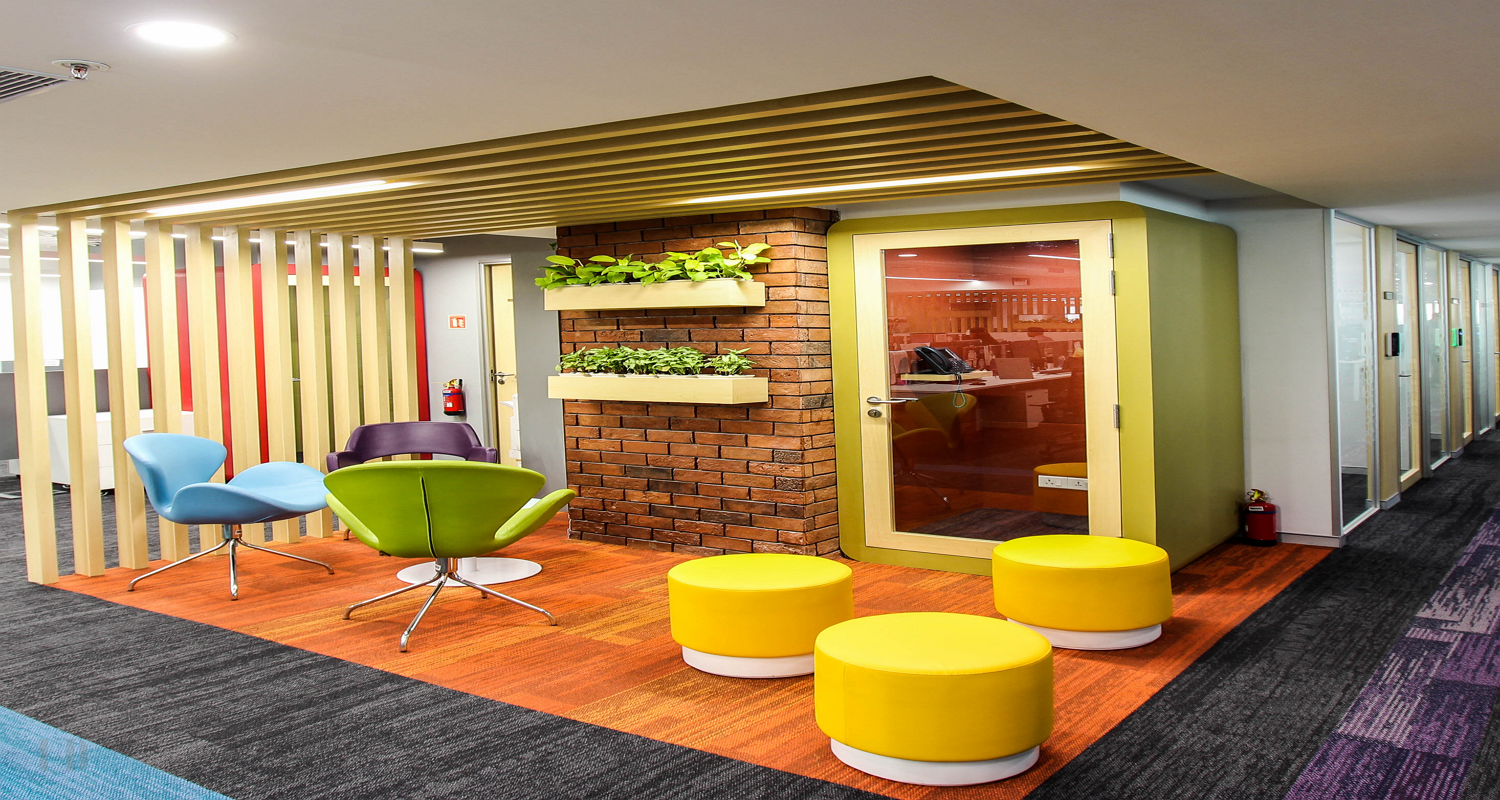
Turnkey execution in interior design is a comprehensive, end-to-end service where a single contractor manages the entire project from concept to completion. The client's role is primarily to provide their vision and approve designs, after which the firm handles every aspect, including design, sourcing, construction, and installation, delivering a space that is fully ready for use.
The turnkey process in interior design
A turnkey interior project typically follows these steps:
Advantages of turnkey execution
- Initial consultation and design: The firm meets with the client to understand their specific needs, preferences, budget, and lifestyle. Based on this, they develop a conceptual design, which may include 3D renderings and mood boards.
- Detailed planning and budgeting: After the client approves the initial concept, the firm creates detailed plans, timelines, and a fixed, transparent budget. This phase outlines all materials, labor costs, and finishes.
- Procurement: The contractor handles the sourcing and purchasing of all necessary materials, equipment, fixtures, and furniture, ensuring they meet the design specifications and quality standards.
- Execution and construction: The design is brought to life by skilled professionals managed by the firm. This includes all civil, electrical, plumbing, carpentry, painting, and installation work.
- Quality checks and handover: Before final delivery, the firm conducts thorough quality inspections. Once completed, the fully finished, furnished, and functional space is handed over to the client.
| Feature | Turnkey approach | Traditional approach |
|---|---|---|
| Project management | A single firm manages all aspects, from design to execution, providing a single point of contact for the client. | The client must hire and coordinate with multiple vendors, such as architects, designers, contractors, and suppliers. |
| Client involvement | Low. The client provides their vision and gives approvals, but the firm handles the daily management and logistics. | High. The client is deeply involved in supervising and coordinating the various professionals and work streams. |
| Time efficiency | Generally faster due to a streamlined and integrated process with no time wasted on communication between multiple teams. | Often slower, as delays can occur while coordinating between different contractors and vendors. |
| Cost control | The cost is fixed and transparent from the beginning, reducing the risk of budget overruns caused by unplanned changes or price escalations. | The budget is less predictable, and costs can increase during the project due to changes, delays, or vendor discrepancies. |
| Risk management | The contractor bears most of the risk, as they are accountable for the entire project from start to finish. | The client bears more risk due to managing multiple contracts and the potential for miscommunication or delays. |
- Convenience: The "one-stop-shop" approach saves the client significant time and effort by eliminating the stress of managing multiple parties.
- Peace of mind: With a single entity responsible for all project aspects, clients can relax knowing that every detail is being managed by a professional team.
- Quality assurance: A single firm overseeing all stages ensures consistent quality in materials, craftsmanship, and the overall design finish.
- Faster delivery: Streamlined coordination and experienced project management typically lead to quicker completion times compared to traditional projects.
- Predictable costs: Clients can budget more effectively due to a fixed-price contract and clear breakdown of expenses upfront, avoiding hidden costs.