
Interior Design
Interior Design
Interior design is the art and science of enhancing the interior of a building to create a healthier and more aesthetically pleasing environment for the occupants.
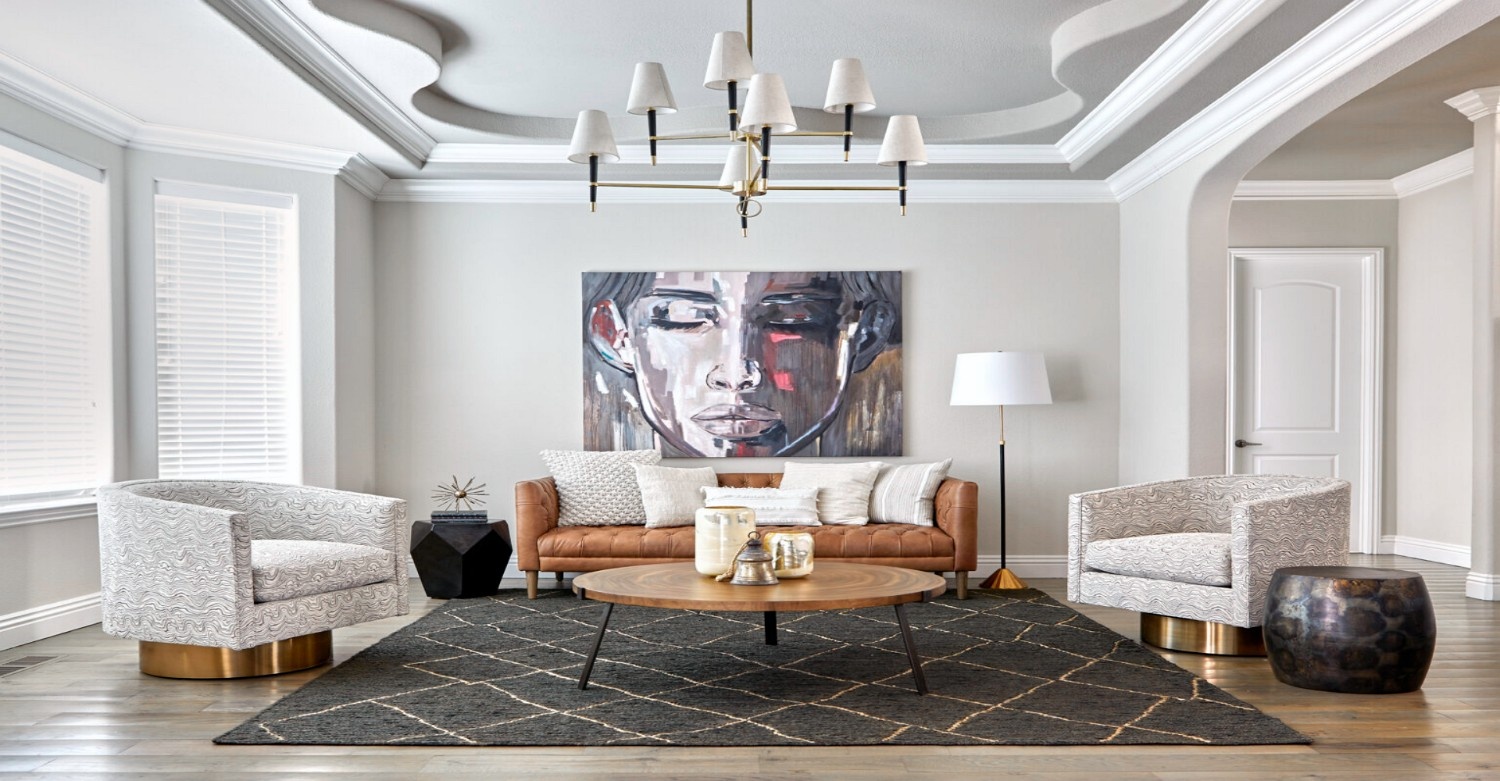
Interior design is the art and science of enhancing the interior of a building to create a healthier and more aesthetically pleasing environment for the occupants. It is a complex profession that blends creativity and technical knowledge to plan, coordinate, and manage enhancement projects.
Interior design vs. interior decorating
While the terms are often used interchangeably, there is a distinct difference between interior design and interior decoration.
- Interior design is a professional field that involves a comprehensive understanding of architecture, building codes, spatial planning, and sustainability. Designers work with architects and engineers to create functional and safe interior spaces from the initial planning stages.
- Interior decorating is a more narrowly focused discipline concerned with the aesthetics of a space. It involves selecting furnishings, colors, textiles, and decorative items to adorn a room and give it a certain look or feel.
- Balance: Distributing the visual weight of objects, colors, textures, and patterns to create a sense of equilibrium.
- Unity: Creating a cohesive design theme that ties all the elements of a space together.
- Rhythm: Using repetition of design elements, such as colors, patterns, or shapes, to create a sense of movement.
- Scale and Proportion: Ensuring that the size and dimensions of furniture and decor are appropriate for the room and for each other.
- Contrast: Using opposing elements, such as light and dark colors or smooth and rough textures, to add visual interest.
- Emphasis: Creating a focal point that draws attention, like a striking piece of artwork or a fireplace.
- Details: Paying attention to the finishing touches and small elements that complete the design.
- Residential design: Focusing on private residences, tailoring the space to the individual needs and desires of the homeowners.
- Commercial design: Designing interiors for businesses, which can include corporate offices, retail stores, restaurants, and hospitality venues.
- Healthcare design: Creating functional and calming spaces for hospitals, clinics, and assisted living facilities.
- Sustainable design: Emphasizing environmentally friendly materials and methods to reduce the ecological impact of a space.
- Universal design: Designing spaces that are accessible and usable for people of all ages and abilities.
- Functionality: The space must be practical and serve its intended purpose effectively.
- Aesthetics: Selecting a color palette, materials, and textures that create the desired mood and atmosphere.
- Lighting: Using both natural and artificial light to enhance features, set the mood, and ensure proper illumination.
- Client Needs: Understanding the client's vision and preferences is paramount to delivering a space that reflects their personality and lifestyle.
- Budget: Working within a defined budget to select materials and furnishings without compromising on quality or design.
- Safety and Regulations: Adhering to building codes, safety regulations, and accessibility requirements.