
Architectural Design
Architectural design is the process of conceptualizing, planning, and creating the physical structure and aesthetics of buildings and spaces.
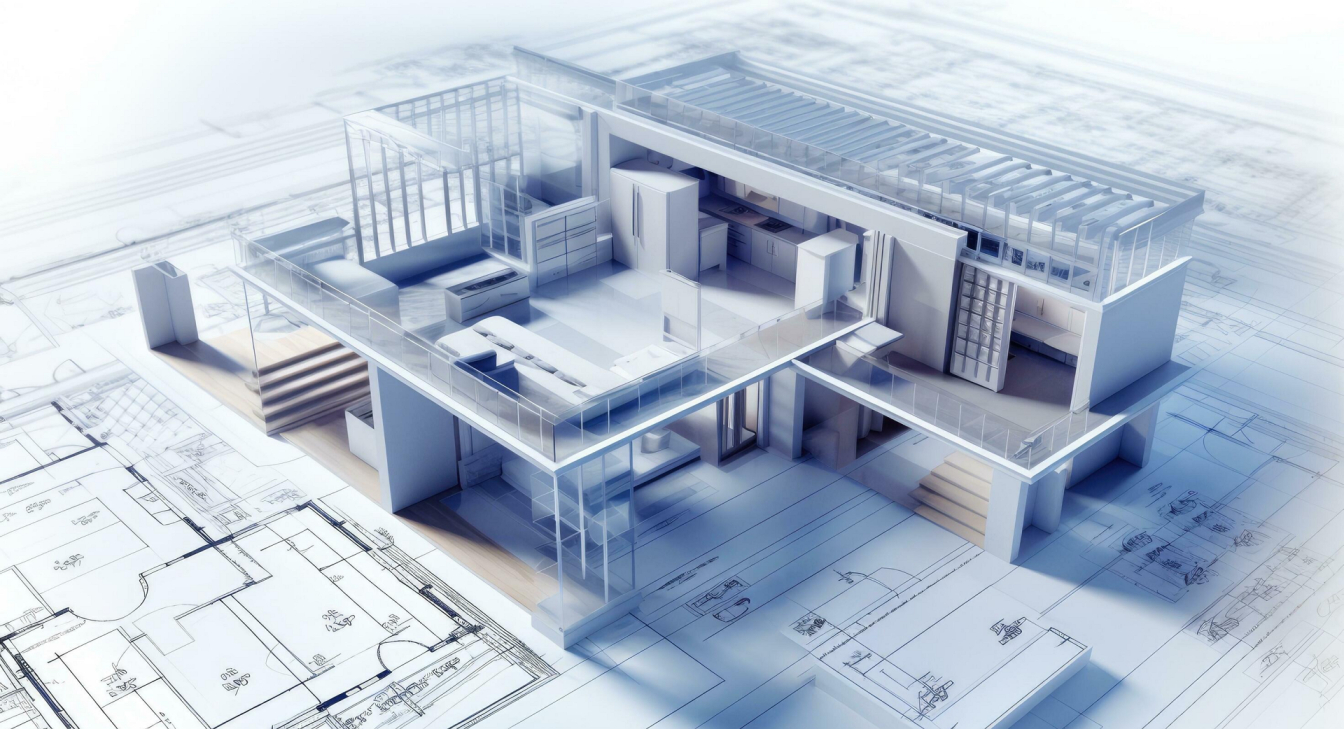
Architectural design is the process of conceptualizing, planning, and creating the physical structure and aesthetics of buildings and spaces. It blends art, science, and technology to shape environments that are functional, sustainable, and visually appealing.
At its core, architectural design involves:
-
Form and Function: Balancing beauty with practicality to ensure spaces serve their intended purpose efficiently.
-
Space Planning: Organizing interior and exterior spaces to optimize movement, light, and usability.
-
Materials and Structure: Selecting materials and construction methods that align with the design vision, environmental conditions, and budget.
-
Sustainability: Integrating eco-friendly principles—like energy efficiency, passive design, and renewable materials—to reduce environmental impact.
-
Context and Culture: Responding to the site, surroundings, and cultural influences to create designs that are harmonious and meaningful.
Architectural design extends beyond buildings to include urban planning, landscape integration, and interior design—creating cohesive, human-centered spaces that enhance the way people live, work, and interact.